Zusammenfassung
Der Artikel fasst die lange Tradition der Nutzung von verschiedenen Untersuchungsmethoden für archäologische Materialien an der Abteilung für Ältere Urgeschichte und Quartärökologie (ÄUQÖ), Universität Tübingen zusammen. Während die ersten Vorlesungen zur Urgeschichte in Tübingen auf das späte 19. Jahrhundert zurückgehen und Überlegungen und Thesen über die Funktion von Werkzeugen in Tübingen eine lange Tradition haben, begann eine systematische Erforschung dieser Bereiche in den frühen 1980er Jahren. Aufbauend auf früheren Arbeiten von Hansjürgen Müller-Beck, Rolf Rottländer, Joachim Hahn und anderen begannen Linda Owen und Günther Unrath mit einem rigorosen Forschungsprogramm zur Spurenanalyse und trugen dazu bei, die Abteilung ÄUQÖ zu einem der aktivsten Zentren für die sogenannte Microwear – und Residuenanalyse in Europa zu machen. Diese Tradition setzt sich heute in den Aktivitäten und Projekten der Abteilung in vielfältiger Weise fort. Im Zuge der Gründung des Senckenberg Centre for Human Evolution and Palaeoenvironment im Jahr 2017 und im Zusammenhang mit der Anstellung von Flavia Venditti in Tübingen, wurde im Jahr 2020 das heutige Material Culture Laboratory (MCL) als zentrale Einrichtung der Universität Tübingen formell gegründet. 2021 gründeten die Stadt Schelklingen und der Lehrstuhl für ÄUQÖ das Eiszeitstudio Hohle Fels und stellten Rudolf Walter ein, der mit Unterstützung eines großen Teams von Studierenden und Wissenschaftlern das langjährige Programm in der experimentellen Archäologie wiederbelebte und damit das MCL stärkte.
Introduction
Laboratory research represents a major pillar in current archaeological research. Archaeologists typically spend much more time in the laboratory analyzing artifacts and data than they do in the field. Moreover, with the progress of technology, conventional techniques are gradually giving way to more advanced analyses and equipment, thereby fostering the development of new labs and facilities in archaeology.
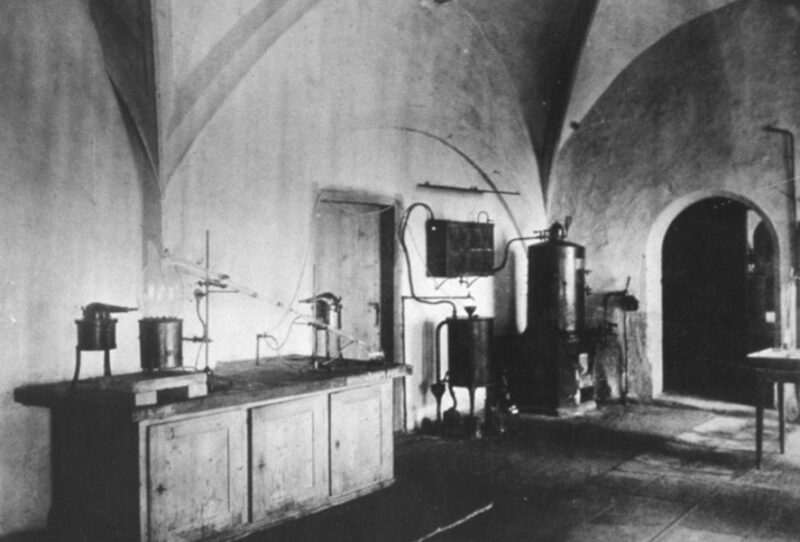
The Institute of Archaeological Sciences (INA) at the University of Tübingen offers state-of-the-art resources for the analysis of archaeological materials, integrating several different laboratories. Among the scientific disciplines offered by the Institute, Stone Age Archaeology is the wing responsible for research and teaching on the full range of cultural evolution, behavioral innovations, and adaptations during the Stone Age, spanning the entire Quaternary with active projects in the Lower, Middle, Upper, and Epipaleolithic, as well as in the Mesolithic, Neolithic, and the African Stone Age. The Stone Age Archaeology working group is part of the Department of Early Prehistory and Quaternary Ecology of the Institute of Pre- and Protohistory and Medieval Archaeology. The department is housed in Schloss Hohentübingen, the old residence of the Dukes of Württemberg, in one of the four wings that constitute the renaissance construction rising above the city of Tübingen. The Material Culture Laboratory (MCL) is located on the first floor in the southwest corner of the Castle. This area was renovated in the XVI century and housed the kitchen. The Schlossküche is of remarkable historical importance. In 1816, the king of Württemberg, Wilhelm I, transferred ownership of the castle to the university, and the university established a chemistry laboratory in the former kitchen. Later, in 1869, Friedrich Miescher made the ground-breaking discovery of a substance he named “nucleic” – today known as DNA and RNA – the carriers of genetic information (Fig. 1).
Today, the Material Culture Laboratory represents an integrated, cutting-edge interdepartmental facility and a hub for research on material culture in archaeology. Currently, the lab focuses on investigating the technological and functional aspects of tool production and tool use on objects made of organic (e.g., antler, bone, wood, shells) and inorganic (e.g., stones, minerals) materials from all historical periods.
Sergei A. Semenov and the foundation of Traceology
Traceology is a relatively recent discipline within archaeology. However, archaeologists’ interest in the function of Paleolithic stone artifacts dates back to the mid-19th to early 20th centuries. During this period and continuing into the mid-20th century, archaeologists speculated on the function of stone tools, primarily associating a tool’s form with its function (Stemp et al. 2015). By linking a tool’s morphology to its function, archaeologists aimed to explain the morphological variability observed in prehistoric lithic assemblages (Key and Lycett 2017). This reflects the lively debate between François Bordes and Lewis Binford regarding Mousterian lithic variability, known as the Mousterian Debate (see Binford 1973; Bordes 1961a, 1961b; Bordes and Sonneville-Bordes 1970). Ethnographic analogy, experimentation, and macroscopic analysis were sometimes employed to examine tool use, though often not in conjunction and lacking methodological rigor. With the rise of “New Archaeology” in the 1960s, archaeologists began incorporating a scientific method to explain human behavior, forming hypotheses, testing them with data, and refining their conclusions. In this context, lithic analysis was complemented by emerging disciplines such as ethnography, ethnoarchaeology, experimental archaeology, and the study of lithic microwear and residues. This interdisciplinary approach significantly enhanced the understanding of tool technologies and their functionality. The ground was fertile for a new approach to studying the function of lithic objects. When the pioneering work of Russian archaeologist Sergei Aristarkhovich Semenov was published in 1957 and translated into English in 1964 under the title “Prehistoric Technology,” Western scholars became aware of a new method for studying material culture based on microscopic observations, experimentation, and ethnographic analogies (Semenov 1964; Korobkova 1965; Pawlik et al. 2020; Pawlik and Fuentes 2023; Anderson et al. 2005). Seen as the father of modern traceology, Semenov, along with his first student and successor as director of the Experimental-Traceological Laboratory of the Leningrad Institute of Archaeology of the Academy of Sciences of the USSR (now the Institute of History of Material Culture of the Russian Academy of Sciences), Galina F. Korobkova, laid the foundation of a discipline that today plays a key role in reconstructing human economic and behavioral activities in archaeology (Semenov and Korobkova 1983). In the 1970s, their work was viewed by the scientific community as innovative and potentially crucial for addressing one of the most frequently asked questions about artifacts in prehistoric research: “What were they made for?” (Anderson et al. 2005). Although remarkable, Semenov’s findings were criticized by some scholars who, driven by skepticism, focused their investigations on key methodological aspects of Semenov’s work, particularly regarding: 1) the understanding of variables used in experimental replications, the importance of blind tests, and the use of ethnographic analogies (Keeley and Newcomer 1977; Hayden 1979; Anderson 1980), 2) tool use kinematics and fracture mechanisms leading to the formation of macro traces (e.g., edge damage, Tringham et al. 1974; Kamminga 1982; Odell 1981), and 3) the introduction of a high-power approach for observing micro traces (i.e., polish and striations) along with the principles behind the mechanisms by which polish forms (Keeley 1980; Vaughan 1985; Del Bene 1979).
Advancements of Traceology at the University of Tübingen
1970s: Rottländer and the Archeochemistry laboratory
Interest in the function of prehistoric tools and the related methodological implications is by no means new to the Department of Early Prehistory and Quaternary Ecology. This stems from a longstanding tradition of research in material culture and functional studies, which can be traced back to the origins of traceology as a discipline.
The Department of Early Prehistory and Quaternary Ecology at the University of Tübingen, which was then the Institute of Prehistory (Institut für Urgeschichte), took a lively part in the scientific discussions on the methodological agendas thanks to the remarkable work of scholars who studied and conducted their research there.
In the 1970s, the Institute had three research laboratories: the zooarchaeology laboratory, directed by Hans-Peter Uerpmann; the archaeobotanical laboratory, directed by Helmut Schlichtherle; and the archeochemistry laboratory, directed by Rolf C. A. Rottländer.
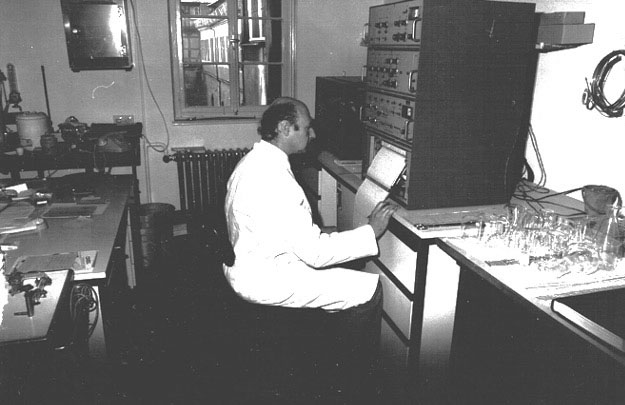
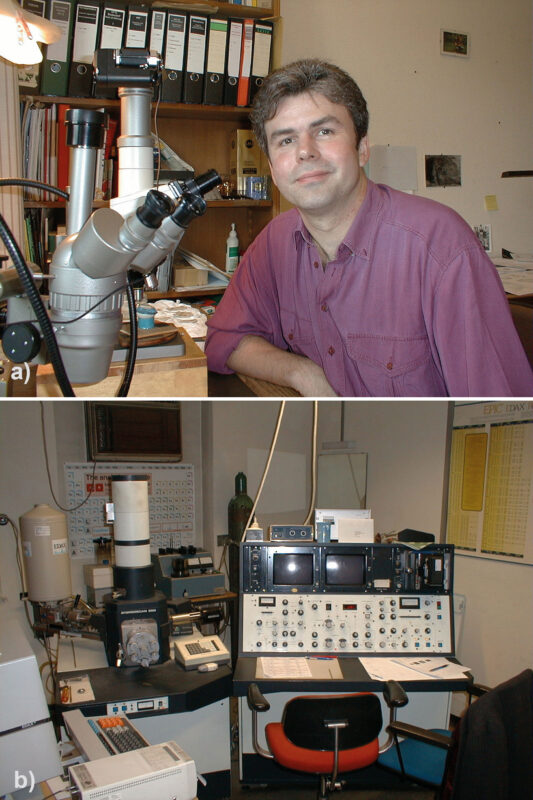
By profession, Rottländer obtained a Ph.D. in Prehistory and Protohistory at the University of Cologne in 1976 and the Habilitation in Archaeometry at the University of Tübingen in 1987 (Fig. 2). Of the more than 230 publications he wrote during his career, many were devoted to the application of the principles of archaeometry to the study of archaeological evidence like his book “Einführung in die Naturwissenschaftlichen Methoden der Archäologie” (Rottländer 1983). Traceology and experimental archaeology have broad overlapping interests with archaeometry, which is often restricted to the composition and provenance of material culture. However, Rottländer’s background as a chemist led him to investigate the chemical alterations affecting the surfaces of archaeological artifacts during and after burial. On this subject, he published a three-book series dedicated to studying post-depositional surface modifications on pottery, bone, and siliceous materials (Rottländer 1989a, 1989b). In particular, he conducted laboratory experiments to reproduce patina and understand the process of patina formation using flint tools. He concluded that soil-pH plays a key role in modifying macro and micro topographical aspects of lithic surfaces (Rottländer 1975a, 1975b). His pioneering studies on organic residue identification are also remarkable (Rottländer 1985, 1990, 1991a, 1991b). He used gas-chromatography to identify residues of plants and animals at prehistoric archaeological sites (Rottländer and Schlichtherle 1979; Rottländer 1981), and he also demonstrated the possibility of isolating fat residues inside prehistoric vessels for reconstructing their use (Rottländer and Schlichtherle 1983; Rottländer 1991b).
1980s: Unrath and Owen establish the Tübingen Laboratory for Archeotechnology
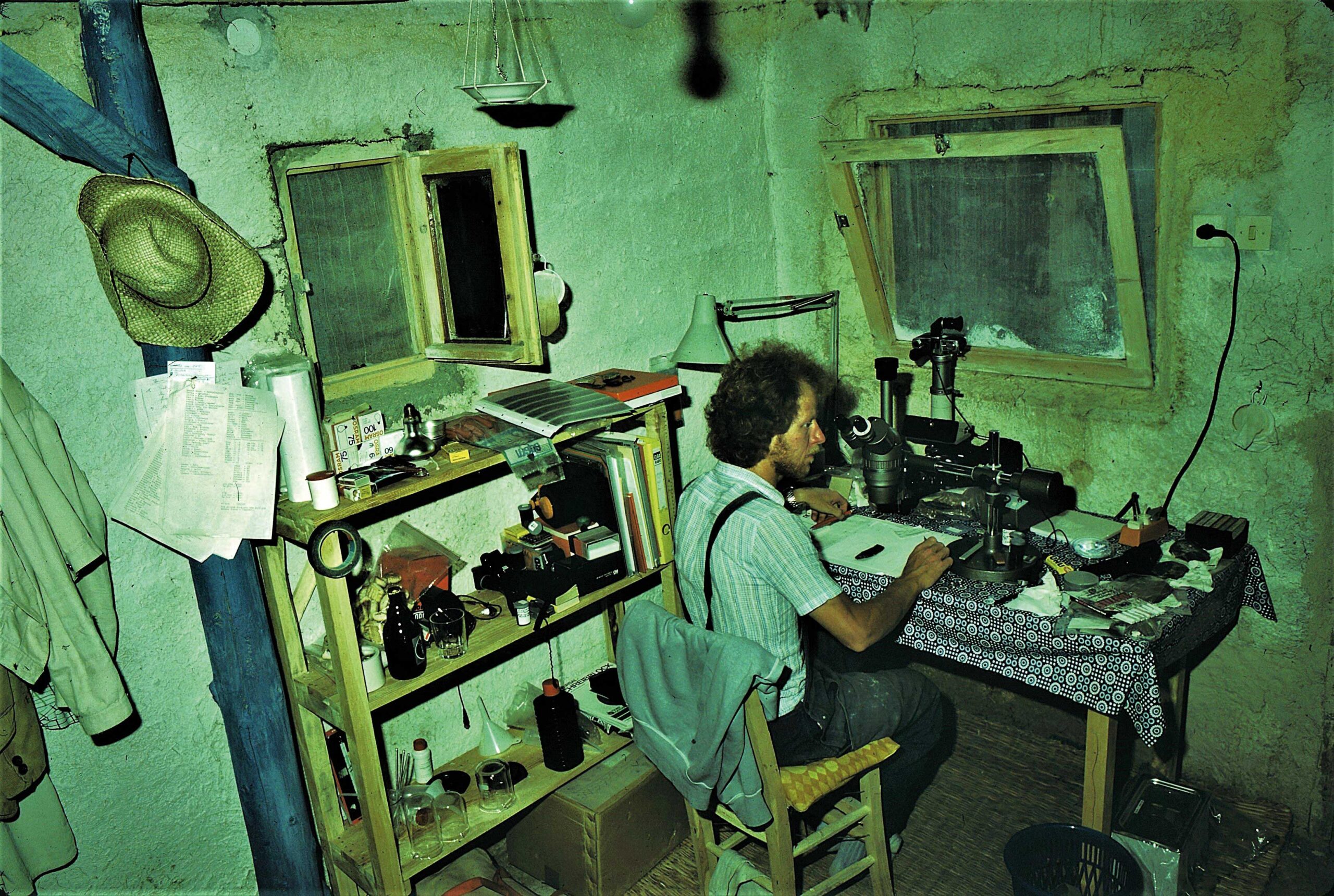
During Rottländer’s scientific activity, Prof. Hansjürgen Müller-Beck directed the Institute of Prehistory. Under his guidance, the institute assumed a multidisciplinary character, oriented towards the inclusion of natural sciences to address archaeological and historical questions. In this lively scientific environment, in the early 1980s, two young researchers met when attending the same class at the Institute of Scientific Microscopy at the University of Tübingen. Günther Unrath and Linda Owen made significant contributions to the field of traceology, effectively transforming the Institute of Prehistory into one of Europe’s foremost centers for microwear analysis during the 1980s. Sharing the same interest in the techno-functional aspects of Paleolithic stone industries, they established the Tübingen Laboratory for Archeotechnology in 1980 (Fig. 3).
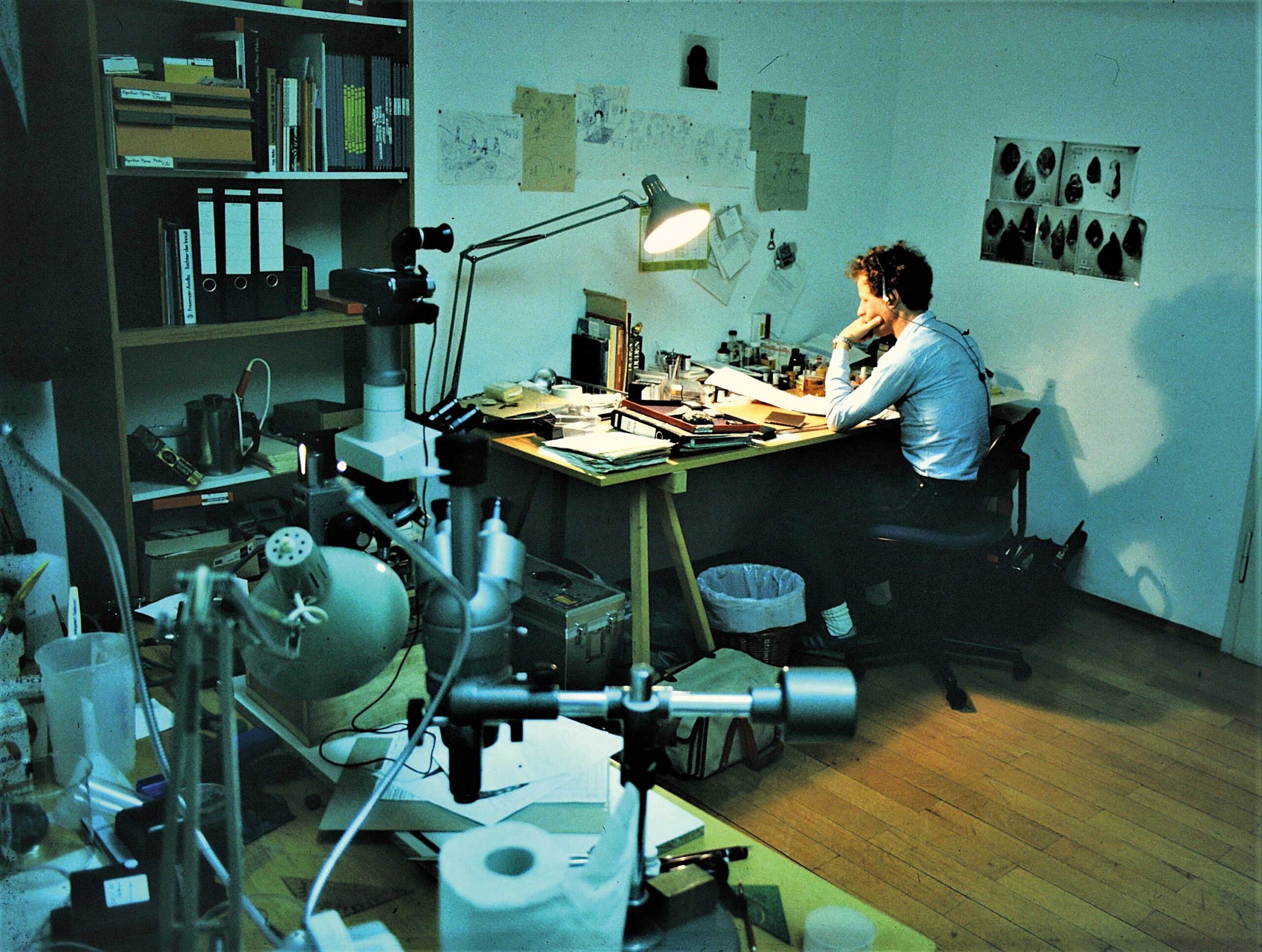
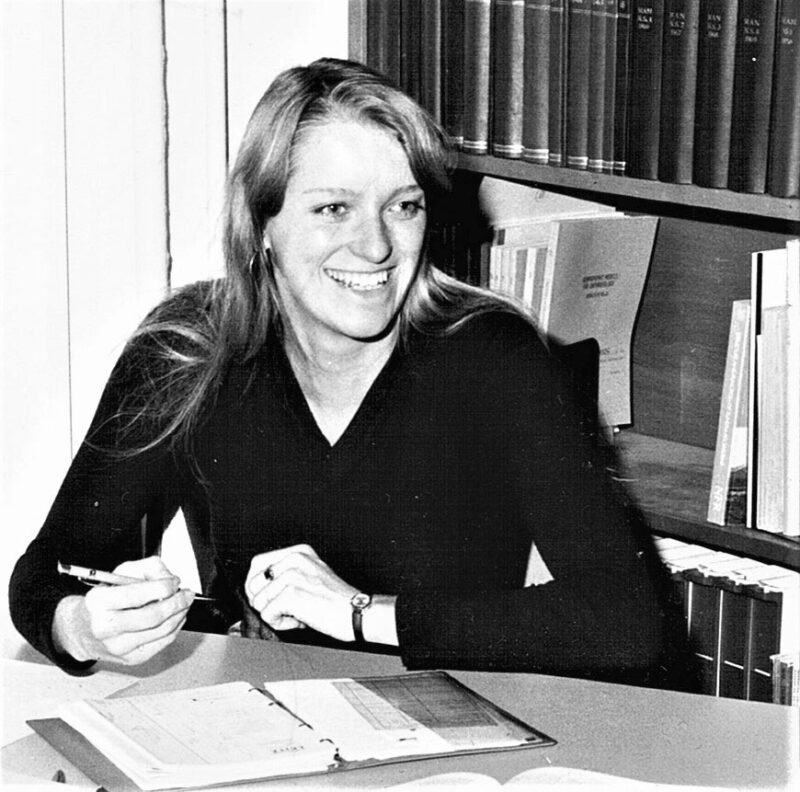
This was a perfect environment for conducting experimental and microscopic studies on projects in which they shared an interest. They both studied the material culture of Umingmak, a muskox hunting site on Banks Island, North-Western Canada, excavated under the direction of their supervisor Müller-Beck. For his Master’s Thesis, Unrath focused on the techno-functional investigation of burins produced by “Inuit” groups dated to the Pre-Dorset period, ca. 3500-2.800 BP (Unrath 1982). For her Ph.D. thesis, Owen (Fig. 4) compared the variation in blade, microblade and core attributes of assemblages from the American Arctic with those from the southern German Upper Paleolithic to reconstruct manufacturing techniques and patterns of use (Owen 1988; Owen and Pawlik 1993).
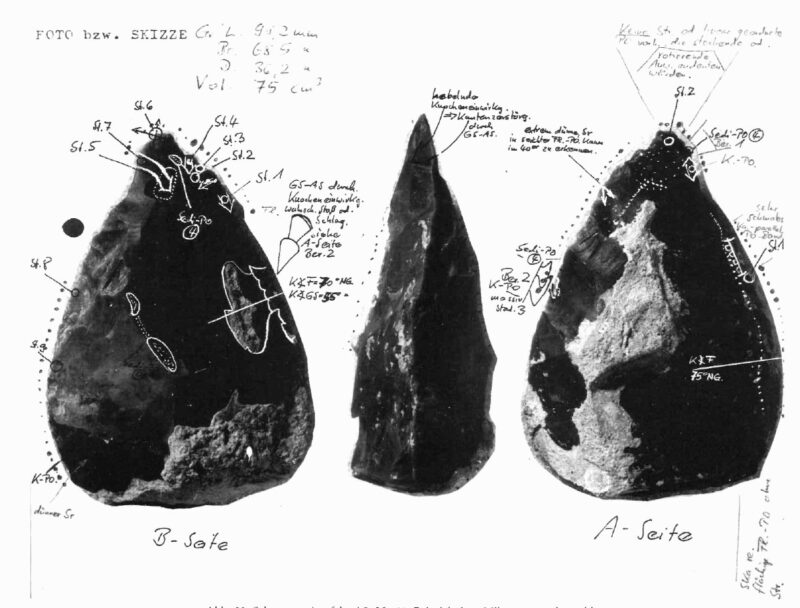
After his Master’s Thesis, Günther Unrath joined the DFG project headed by Müller-Beck and Dr. Gerd Albrecht as a use-wear analyst in charge of the microscopic analysis of the Upper Acheulean lithic industry (Fig. 5) at the Şehremuz open-air site in southeast Turkey (Albrecht et al. 1984; Albrecht and Müller-Beck 1994; Unrath 1983) (Fig. 6).
The lack of permission from the Turkish government to expatriate the archaeological material from Turkey to Germany led him to invent solutions for obtaining moulds of the artifact’s surfaces. In collaboration with Dr. Wolfgang Lindemann and the Zahnklinik Tübingen, he developed the application of “KULZER TECHNOVIT 3040” – a high-resolution two-component polymer “Kaltpolymerisat” –, usually used by dentists for high-resolution dental impressions. It was the first time such material was used in the field of archaeology for making moulds of stone tool surfaces for traceological analysis (Unrath and Lindemann 1984). The aim was to create a comparative set of interchangeable subjects in the form of thumb-nail-sized moulds on a micro-precision scale.
In 1985, Günther Unrath and Linda Owen organized an international conference in Tübingen for researchers to gather and discuss technical aspects of microwear studies on stone tools. Many esteemed scholars attended the meeting such as Annnelou van Gijn, Kjel and Helena Knutsson, Hugues Plisson, Linda Hurcombe, Irene Levi-Sala, Emily H. Moss, Sylvie Beyries, Berit Eriksen, Helle Juel Jensen, Patrick Vaughan and Patricia Anderson-Gerfaud, among others. The conference provided a valuable opportunity to discuss crucial topics such as residue studies, experimental replications, stone tool alterations, reliability of use-wear studies, and polish formation mechanisms. The proceedings were published by Unrath and Owen as editors in a three-volume series of Early Man News 9/10/11 under the title “Technical Aspects of Microwear Studies on Stone Tools” (Owen and Unrath 1986). As part of the volume, Unrath and Owen summarized and published the results of the first multi-analyst blind test of use-wear traces. This large-scale blind test program involved some of the leading international researchers in the field of use-wear analysis. The results obtained were ground-breaking at that time and undoubtedly contributed to further progress in microwear analysis and to establishing the method as a successful and serious approach in prehistoric archaeology (Unrath et al. 1986). The blind test results also showed that prehension traces were more common than previously believed and that if not well interpreted, they are a significant source of error in use-wear reconstruction (Owen and Unrath 1989). This was a significant achievement for the time because before that moment, prehension traces were rarely found on experimental tools and were poorly discussed in microwear studies. At the laboratory for Archeotechnology, the microscopic analysis went hand in hand with experimental activity and ethnographic work, topics very dear to Owen and Unrath. In 1990, Unrath published with some colleagues the results of a butchery experiment performed with stone tools in collaboration with the city museum of Ingolstadt. The publication included a description of the experimental protocol and related butchery steps and a careful microscopic examination of wear traces on all the replicas used during the experiment (Schütz et al. 1990). Owen was also very engaged in gender studies and ethnoarchaeology as part of the archaeological investigation to understand the division of labor and the manufacture and use of implements (Owen 2005). Aspects of age, gender, and tool use were discussed in the framework of an international conference that she co-organized with Martin Porr in 1997 in Tübingen with the title “Ethno-Analogy and the reconstruction of prehistoric artifact use and production” (Owen and Porr 1999).
Linda Owen was also fully committed to teaching at different universities, including the Institute of Prehistory in Tübingen, where she taught as a lecturer from 1982 on, and in Erlangen 2009-2010, as well as in Vienna in 2000 and 2010. The focal subjects of her courses and lectures were use-wear analysis, experimental archaeology, the early settlement of North America, gender studies and ethnoarchaeology. The admiration and fondness of colleagues who knew and worked with her are evident in the obituary written by Miriam Haidle and Susanne Münzel and published in this journal in 2021 (Haidle and Münzel 2021).
1990s: Pawlik and his engagement in Tübingen and the Philippines
The pioneering work made by Owen and Unrath in the 1980s was the inspiration for young students like Alfred Pawlik (Fig. 7). As a friend and later colleague of Owen and Unrath, he obtained the degree of Magister Artium in 1991 at the Faculty of Geosciences in Tübingen under the tutelage of Linda Owen on experimental use-wear analysis of stone tools used for the manufacture of mobile art. His experiments involved several previously understudied or neglected contact materials such as shell, teeth, steatite, shale, and ivory (Pawlik 1992). In a comparative traceological study of lithic assemblages from the Mesolithic site of Henauhof Nord II and the Neolithic lake dwelling of Burgäschisee-Süd, Pawlik, in his doctoral research, identified tiny particles on microblades from Henauhof Nord II as residues of an adhesive used to attach the blades to shafts. This identification was achieved through the application of standard high and low-power methods, combined with scanning electron microscopy and energy-dispersive X-ray spectroscopy (Pawlik 1995, 1997). This study presented an innovative approach to the analysis of hafting residues by utilizing both experimentally produced birch tar and authentic Neolithic birch tar remnants still affixed to various artifacts from the Burgäschisee-Süd site. These materials serve as reference sources for the residue analysis conducted on the micro blades from Henauhof Nord II, providing valuable insights into the technological practices of the time (Pawlik 2004). In his post-doctoral research on the functional organization of settlements and the associated technological and socio-cultural changes, he elaborated on his study of Neolithic lake dwellings and Mesolithic camp sites through the aid of traceology (Pawlik 2000, 2011).
In 1995, in connection with the hiring of Nicholas Conard as Hansjürgen Müller-Beck’s successor, the former Institute of Prehistory was renamed the Department of Early Prehistory and Quaternary Ecology. While always maintaining an active affiliation with the Department of Early Prehistory and Quaternary Ecology in Tübingen, Pawlik moved to the University of the Philippines in 1999, where he established the Lithic Studies Laboratory at the University of the Philippines in Quezon City, the first laboratory dedicated to microscopic use-wear analysis in Southeast Asia. This project was supported by several grants from the DAAD, GIZ, and DFG (Dizon and Pawlik 2010) and introduced modern methods of artifact analysis to the archaeology of the region (Pawlik 2013). Although his research focus shifted to the investigation of the technology and adaptive behavior of early hunter-gatherer societies in maritime environments, and as he expanded traceological analysis to the study of non-lithic artifacts (Pawlik 2013; Pawlik et al. 2014, 2015; Pawlik and Piper 2019; Pawlik 2021; Ono et al. 2021), he continued to collaborate and conduct traceological analysis in a number of projects in Germany and other European countries. Some examples are the identification of Aurignacian burins from the site of Les Vachons as projectile points (Dinnis et al. 2009), the microwear and residues analysis of artifacts from Mesolithic sites in the Alps (Pawlik 2011; Weishäupl and Pawlik 2012; Schäfer et al. 2006, 2016; Bachnetzer et al. 2018), and studies on hafted armatures and multi-component tool design during the Micoquian (Pawlik and Thissen 2011, 2017). As a board member of the UISPP Commission on Functional Studies, he co-organized sessions on traceology at UISPP congresses and serves as editor of volumes of its proceedings, together with colleagues from Italy, Spain, and Russia (Ollé et al. 2017; Pawlik et al. 2020).
Pawlik currently works as a professor in the Department of Sociology and Anthropology at the Ateneo de Manila University and is the director of the Anthropological and Sociological Initiatives of the Ateneo (ASIA), where he also heads the Traces ASIA lab. Together with his former students, such as Riczar Fuentes (another PhD graduate at the Department of Early Prehistory and Quaternary Ecology in Tübingen), he is engaged in several collaborative research projects in the region of Island Southeast Asia and continues to study the function of prehistoric artifacts and their socio-cultural meaning to prehistoric societies in changing environments (Xhauflair et al. 2016, 2017, 2020; Fuentes et al. 2019, 2020, 2021; Ono et al. 2020, 2021; Fuentes and Pawlik 2020, 2023; Pawlik and Fuentes 2023).
2000s: Conard and the establishment of the Material Culture Laboratory
When Owen, Unrath, and Pawlik left Tübingen, the intensity of research in traceology in the Department of Early Prehistory and Quaternary Ecology waned. The last student who took advantage of their teaching and guidance was Leif Steguweit, who in 2002 earned his Ph.D. with a thesis in traceology. His research combined a functional analysis of lithic tools with a zooarcheological and functional analysis of bone specimens from the Middle Pleistocene site of Bilzingsleben (Steguweit 2003).
Since arriving in Tübingen in 1995, Prof. Nicholas Conard has been interested in implementing functional analysis in material culture studies. With this in mind, he invested in equipment, including a high-speed camera for documenting experimental activities, a stereomicroscope, and a metallurgical microscope for observations at low and high magnifications. After Steguweit’s departure from Tübingen, he established a lasting and highly fruitful collaboration with Dr. Veerle Rots and the TraceoLab at the University of Liège. Rots participated in numerous studies in the framework of Conard’s excavations as a traceologist and residue analyst. Notably, her studies on the lithic industries from the Middle Stone Age site of Sibhudu, South Africa (e.g., Rots et al. 2017), the functional analysis of the Upper Paleolithic chipped stone tools from Hohle Fels, Germany (Rots et al. 2021), and the results from the Middle Pleistocene site of Schöningen, Germany (Rots et al. 2015; Conard et al. 2020) are worth mentioning. Rots’ doctoral and later post-doctoral fellow Noora Taipale was also part of the team and involved in studying several aspects of the lithic assemblages from Hohle Fels (Taipale 2020; Taipale et al. 2020). Taipale collaborated with Andrea Taller on the study of backed pieces from Hohle Fels, providing interesting results on their technology and function during the Magdalenian (Taller and Taipale 2020; Taller et al. 2012; Taller 2014).
Under Conard’s leadership, three Ph.D. students have graduated since 2000 at the Department of Early Prehistory with projects on microscopic analysis and tool use reconstruction: they are, as already mentioned, Leif Steguweit and, more recently, Riczar Fuentes. The latter was trained in use-wear analysis by Alfred Pawlik at the Lithic Studies Laboratory at the University of the Philippines and graduated in 2021 from the University of Tübingen with a project focusing on understanding the technology and function of the Late Pleistocene flake assemblages from sites in the North and Central Sulawesi (Fuentes et al. 2019; Fuentes et al. 2020; Fuentes et al. 2021). Most recently, in 2024 Benjamin Schürch completed his doctoral research on Vogelherd, which included a heavy emphasis on traceology (Schürch 2024).
Recent developments at the Material Culture Laboratory
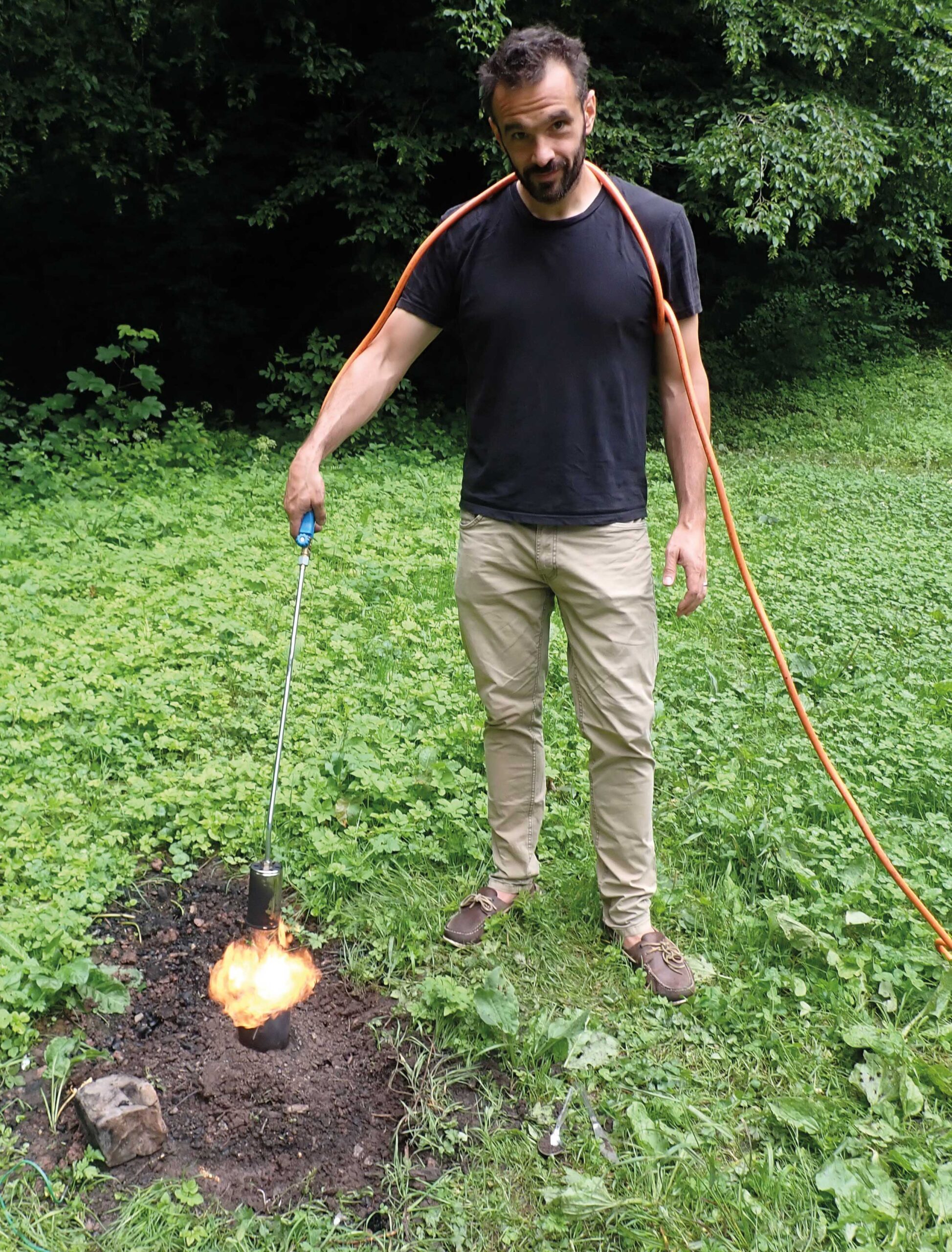
Except for the highly productive collaboration with TraceoLab in Liège, for several years the Department of Early Prehistory lacked a researcher in-house on a long-term contract who could train students in the use of microscopes and conduct research projects on technological, functional, and taphonomical aspects of material culture. However, experiments in the framework of research projects were carried out by individual scholars, such as research on tempering (e.g., Schmidt et al. 2020; Schmidt et al. 2015) and the experiments testing birch tar production (Fig. 8) carried out by Dr. Patrick Schmidt and colleagues (e.g., Schmidt et al. 2023; Koch and Schmidt 2022). Patrick Schmidt conducts research at the intersection of archaeology, mineralogy, and chemistry. His investigations into stone heat treatment and adhesive production have recently secured him a permanent position at the University of Tübingen as scientific member in the working groups of Petrology and Mineral Resources and Archaeometry at the Department of Geosciences.
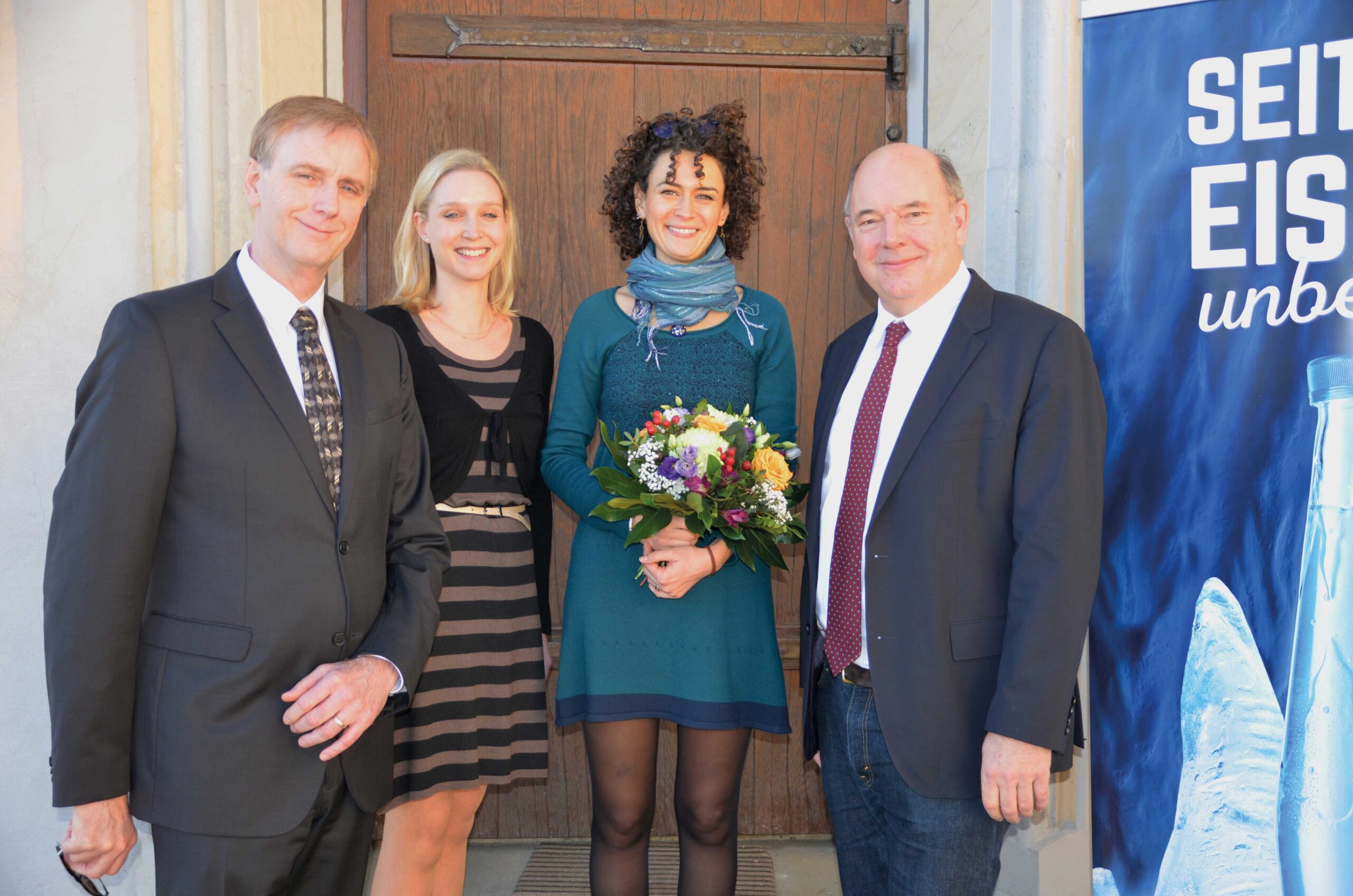
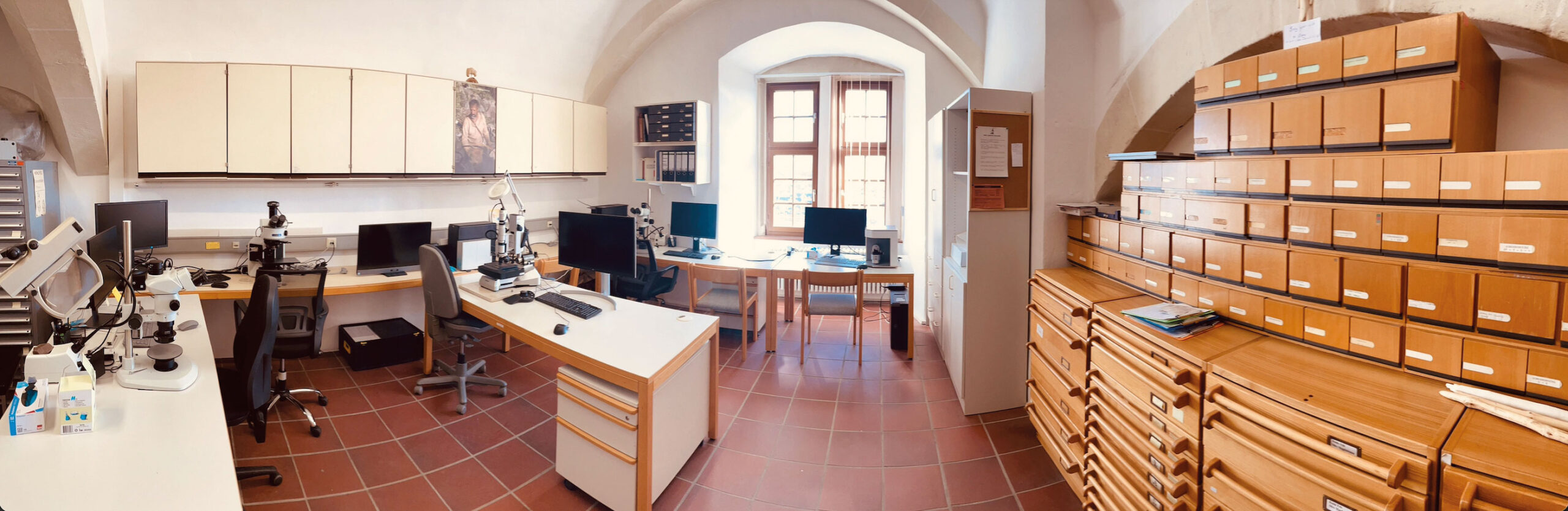
The situation improved further in 2020 when the Department hired Dr. Flavia Venditti, who specialized in use-wear, residues analysis, and experimental archaeology. The previous year, she won the annual Tübingen Research Prize in Early Prehistory and Quaternary Ecology for her doctoral research in traceology at the University of Rome Sapienza (Fig. 9). Soon after her move to Tübingen, Venditti supervised the renovation of the MCL, while redesigning the space and improving and modernizing the instrumentation (Fig. 10). Dr. Gregor Bader curated the department’s large prehistoric collections, and Venditti also organized the department’s raw material collection and experimental archaeological collection. During the last three years, the MCL has expanded its Imaging and Microscopy area with the acquisition of state-of-the-art equipment. In addition to the stereomicroscope and metallurgical microscope already present, the laboratory invested in an additional stereomicroscope, a 3D high-resolution digital microscope, a white light Confocal profilometry for metrology applications, three portable digital microscopes, two FT-IR spectrometers, a 3D scanner, a micro-3D scanner and a 3D printer.
Furthermore, other facilities, such as a scanning electron microscope coupled with energy dispersive X-ray spectrometer (SEM-EDX), are available to staff and students in the framework of collaborative agreements with other working groups of the Institute of Archaeological Sciences and the Senckenberg Centre for Human Evolution and Palaeoenvironment in Tübingen. Currently, the laboratory’s activities are coordinated by Flavia Venditti (responsible for microscopy, imaging, reference collections, and experimentation), Rudolf Walter (Archeotechnician and Experimental Archeologist), by Dr. Gregor Bader and Dr. Benjamin Schürch, who are responsible for the archaeological collections. Many master’s students are engaged in the activities conducted at the MCL, including Elena Moos, who is responsible for lithic knapping, and Natasha Singh as a laboratory assistant. Establishing a stable staff group has fostered collaborations among researchers and has initiated new research projects focusing on techno-functional aspects of the material culture.
As an example, currently ongoing projects concern the techno-functional investigation of Aurignacian split-based points (Dr. Keiko Kitagawa and colleagues), experiments testing the efficiency of ochre in making adhesive (Gregor Bader and colleagues) and techno-functional studies on prehistoric personal ornaments coordinated by Venditti and Dr. Sibylle Wolf (Venditti et al. 2023; Venditti et al. 2026).
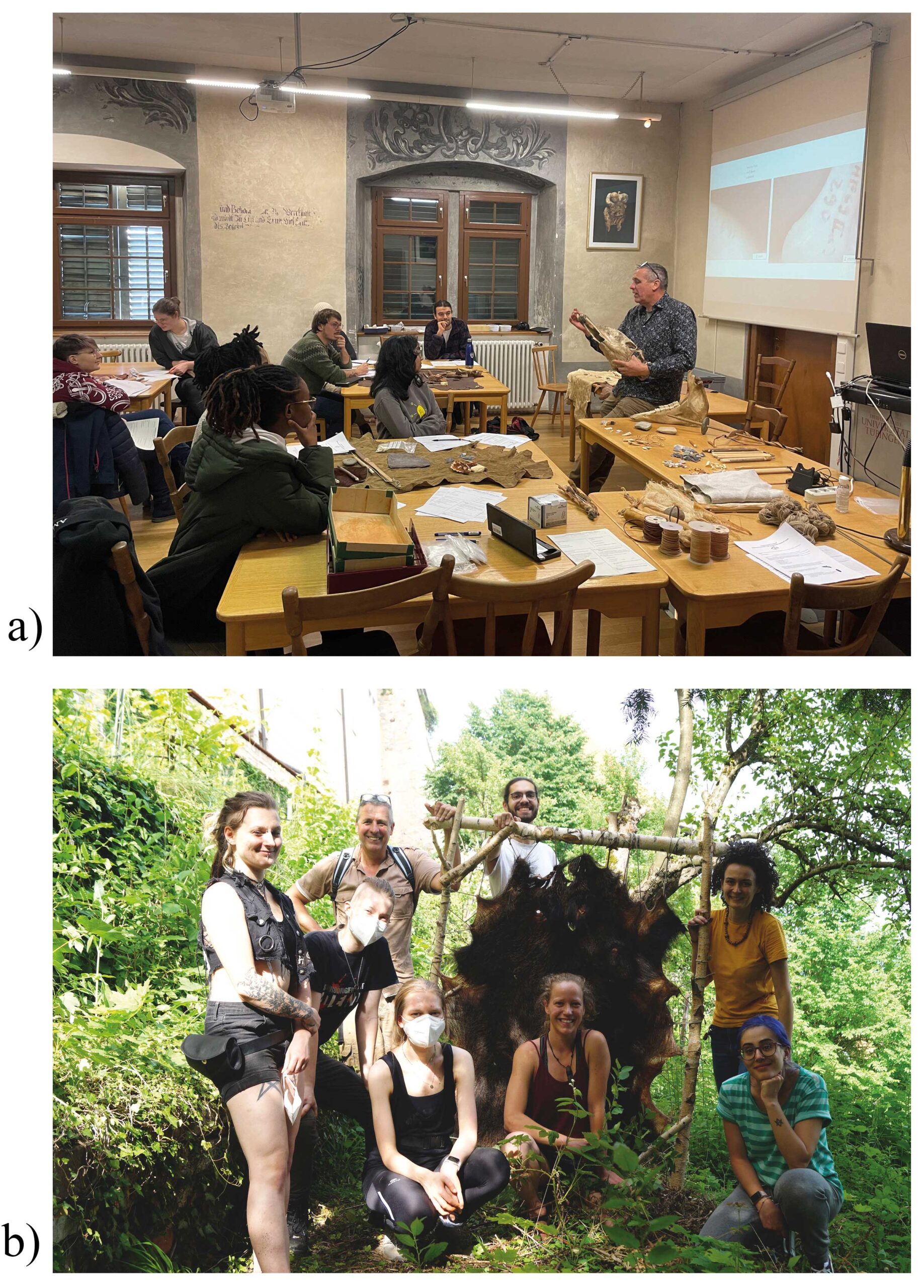
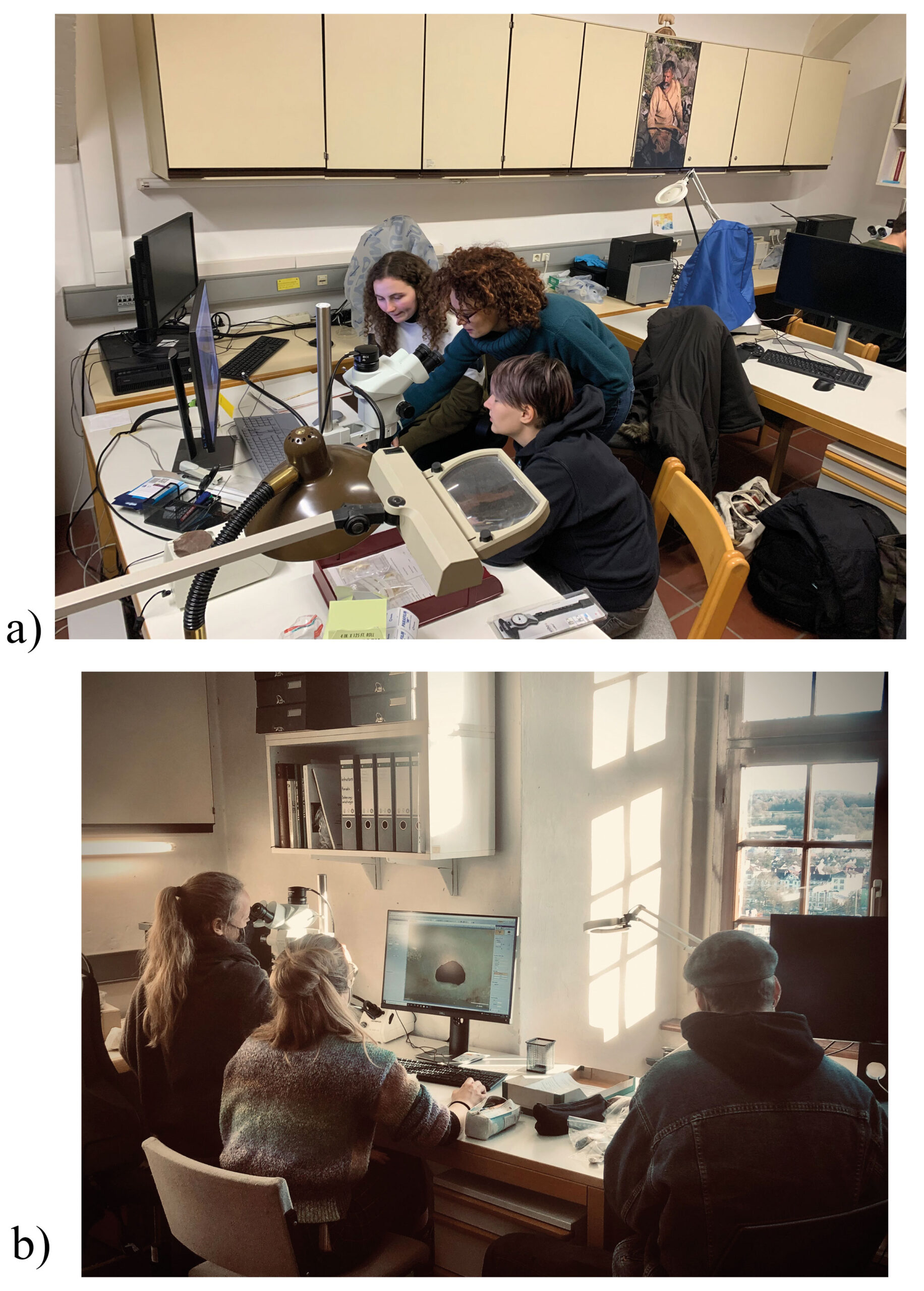
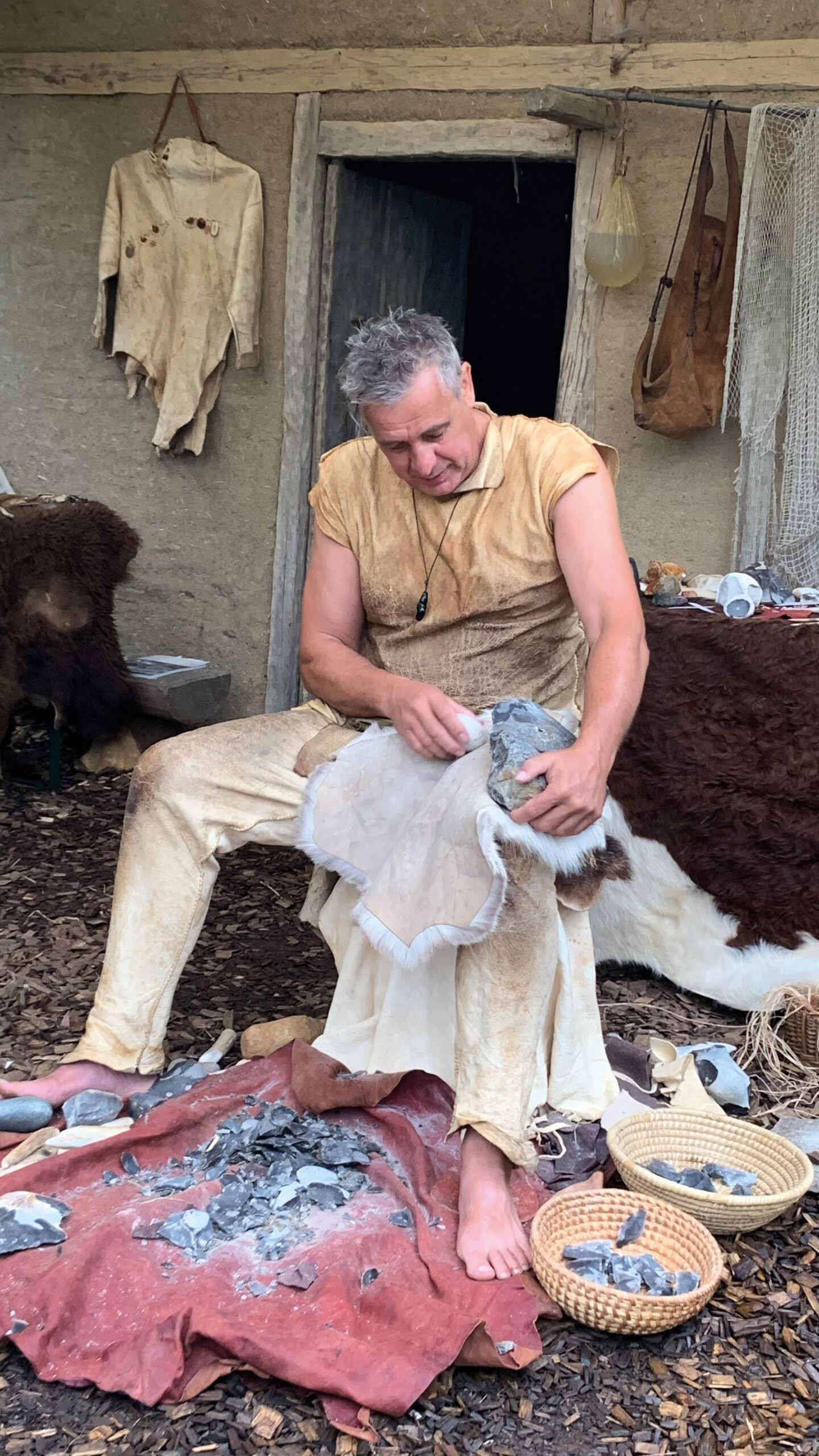
At present, students are also engaged in laboratory activities at different levels. Venditti and other colleagues regularly offer theoretical and practical classes in experimental archaeology and use-wear and residues analysis to students each academic semester (Figs. 11 and 12). Through hands-on learning, students learn how to design an experiment, acquiring the knowledge for developing their research projects in the field of experimental prehistoric archaeology and use-wear studies. Walter, as archeotechnician, is in charge of manufacturing archaeological replicas for functional experimentation, and he acts as a point of reference for all aspects surrounding ancient Paleolithic technologies and materials (Fig. 13). Stone artifact replicas produced and used in the framework of different research projects merge into the experimental reference collection available at the laboratory for students and colleagues. A dedicated reference collection for investigating and recording the development of use-wear traces throughout use time is also available. This collection includes tool replicas made on rock types common in the Swabian Jura and beyond (e.g., baltic flint, chert, quartz, radiolarite, dolerite from southern Africa) used on standard motions on different materials at specific time intervals. Both reference collections are essential for accompanying and supporting researchers and students through the techno-functional analysis of archaeological artifacts.
The Material Culture Laboratory represents today a core facility for state-of-the-art analytical procedures in research and teaching for the study of the material culture. Classes in experimental archaeology, practical laboratory activities, knapping workshops and numerous courses in traceology and related areas are often co-hosted by the Eiszeitstudio Hohle Fels, headed by Conard and Walter in collaboration with the city of Schelklingen and the University of Tübingen.
This vibrant academic program attracts an increasing number of students strongly interested in including traceology and experimental archaeology in their research projects. Their involvement is essential for the future development of these disciplines at the University of Tübingen.
As shown here, the Material Culture Laboratory in Tübingen represents the culmination of more than a half-century of systematic research using innovative methods to study artifacts. Given the Department of Early Prehistory and Quaternary Ecology’s emphasis on lithic technology, it comes as no surprise that many researchers are studying lithic materials. In recent years, however, we can see a shift toward a more integrated analysis of botanical, osseous, and lithic technologies and their interactions. This can be seen most clearly in the interdisciplinary research at sites including Schöningen, Hohle Fels and Sibhudu (e.g., Venditti et al. 2022; Rots et al. 2015; Conard et al. 2012; Rots et al. 2017; Taipale et al. 2023). What is also becoming clear is that traditional techno-economic and typological studies, in the absence of techno-functional studies, traceology, and experimental archaeology, will become antiquated in the long run. While not every prehistorian will be able to master all of the many techno-functional approaches, we hope that all students in Tübingen are exposed to these techniques and become proficient in their applications in many prehistoric contexts. This development will ultimately bring researchers and students closer to the lives and activities of past hominins as well as the social and economic processes of past societies.
References
Albrecht, G., Engelhardt, H., Müller-Beck, H., Unrath, G., and Yalcinkaya, I. 1984: Vorbericht über die Untersuchungen an der Faustkeilstation Şehremuz in der südöstlichen Türkei. Eiszeitalter u. Gegenwart 34, 43–86.
Albrecht, G. and Müller-Beck, H. (eds.) 1994: Das Paläolithikum von Sehremuz bei Samsat am Euphrat. Tübingen: Verlag Archaeologica Venatoria.
Anderson, P. C. 1980: A testimony of prehistoric tasks: diagnostic residues on stone tool working edges. World archaeology 12(2), 181–194.
Anderson, P. C., Korobkova, G. F., Longo. L., Plisson, H., and Skakun N. 2005: Various viewpoints on the work of S. A. Semenov. In: L. Longo and N. Skakun, The roots of use-wear analysis: selected papers of S. A. Semenov, vol. 7. Memorie del Museo Civico di Storia Naturale di Verona (2. serie). Sezione Scienze Dell’Uomo, 11–19.
Bachnetzer, T., Brandl, M., and Pawlik, A. 2018: Mesolithische Jäger im Hochgebirge. In: N. Hofer and F. Sauer (eds.), Ins wilde Längental, Steinzeitjäger und Almwirtschaft im Kühtai, Tirol. Archäologie aktuell 2. Horn: Berger, 58–71.
Binford, L. R. 1973: Interassemblage variability – the Mousterian and the functional argument. In: C. Renfrew (ed.), The explanation of culture change. London: Duckworth, 227–254.
Bordes, F. 1961a: Typologie du Paleolithique Ancien et Moyen. Centre National de la Recherche Scientifique, Paris.
Bordes, F. 1961b: Mousterian cultures in France. Science 134, 803–810.
Bordes, F. and Sonneville-Bordes, D. 1970: The significance of variability in Palaeolithic assemblages. World Archaeology 2, 61–73.
Conard, N. J., Porraz, G., and Wadley, L. 2012: What is in a name? Characterizing the ‘Post-Howieson’s Poort’ at Sibudu. South African Archaeological Bulletin 67(196), 180–199.
Conard, N. J., Serangeli, J., Bigga, G., and Rots, V. 2020: A 300,000-year-old throwing stick from Schöningen, northern Germany, documents the evolution of human hunting. Nature Ecology and Evolution, 1–4.
Del Bene, T. A. 1979: Once upon a striation: current models for striation and polish formation. In: H. Brian (ed.), Lithic use-wear analysis. New York: Academic Press, 167–177.
Dinnis, R., Pawlik, A., and Gaillard, C. 2009: Bladelet cores as weapon tips? Hafting residue identification and microwear analysis of three carinated burins from Les Vachons. Journal of Archaeological Science 36, 1922–1934.
Dizon, E. Z. and Pawlik, A. F. 2010: The Lower Palaeolithic record in the Philippines. Quaternary International 223, 444–450.
Fuentes, R., Ono, R., Nakajima, N., Nishizawa, H., Siswanto, J., Aziz, N., Sriwigati, Sofian, H., Miranda, T., and Pawlik, A. 2019: Technological and behavioural complexity in expedient industries: the importance of use-wear analysis for understanding flake assemblages. Journal of Archaeological Science 112, 105031.
Fuentes, R., Ono, R., Carlos, J., Kerfant, C., Miranda, T., Aziz, N., Sriwigati, Sofian, H. O., and Pawlik, A. 2020: Stuck within notches: direct evidence of plant processing during the Last Glacial Maximum to Holocene in North Sulawesi. Journal of Archaeological Science: Reports 30, 102207.
Fuentes, R., Ono, R., Aziz, N., Alamsyah, N., Sofian, H. O., Miranda, T., and Pawlik, A. 2021: Inferring human activities from the Late Pleistocene to Holocene in Topogaro 2, Central Sulawesi through use-wear analysis. Journal of Archaeological Science: Reports 37, 102905, https://doi.org/10.1016/j.jasrep.2021.102905.
Fuentes, R. and Pawlik, A. 2020: Not formal but functional: traceology and the lithic record in the Philippines. In: J. Gibaja-Bao, J. Marreiros, and N. Mazzucco (eds.), Hunter-gatherers tool kit: a functional perspective, 290–308.
Cambridge: Cambridge Scholars Publishing.
Fuentes, R. and Pawlik, A. 2023: Barely scratched the surface: development and future directions of lithic use-wear analysis in Island Southeast Asia. Archaeological Research in Asia 33, 100413.
Haidle, M. N. and Münzel, S. 2021: Lebensspuren in urgeschichtlichen Artefakten – Zum Tode von Linda Rae Owen. Mitteilungen der Gesellschaft für Urgeschichte 30, 155–161.
Hayden, B. (ed.) 1979: Lithic use wear analysis. New York: Academic Press.
Kamminga, J. 1982: Over the edge: functional analysis of Australian stone tools. Brisbane: University of Queensland.
Keeley, L. and Newcomer, M. 1977: Microwear analysis of experimental flint tools: a test case. Journal of Archaeological Science 4, 29–62.
Keeley, L. 1980: Experimental determination of stone tool uses. Chicago: University of Chicago Press.
Key, A. J. M. and Lycett, S. J. 2017: Form and function in the Lower Palaeolithic: history, progress, and continued relevance. Journal of Anthropological Sciences 95, 67–108.
Koch, T. J. and Schmidt, P. 2022: A new method for birch tar making with materials available in the Stone Age. Scientific Reports 12: 413.
Korobkova, G. F. 1965: The application of the method of microanalysis to the study of the functions of stone and bone tools. Archaeology and Natural Sciences 129, 192–197 (in Russian).
Odell, G. H. 1981: The mechanics of use-breakage of stone tools: some testable hypotheses. Journal of Field Archaeology 8, 197–209.
Ollé, A., Pawlik, A., Longo, L., Skakun, N., Gibaja, J. N., and Sala, R. 2017: New contributions to the functional analysis of prehistoric tools. Quaternary International 427.
Ono, R., Fuentes, R., Pawlik, A., Sofian, H. O., Sriwigati, Aziz, N., Alamsyah, N., Kurozumi, T., and Yoneda, M. 2020: Island migration and foraging behaviour by anatomically modern humans during the late Pleistocene to Holocene in Wallacea: new evidence from Central Sulawesi, Indonesia. Quaternary International 554, 90–106.
Ono, R., Fuentes, R., Amano, N., Sofian, H. O., Sriwigati, Aziz, N., and Pawlik, A. 2021: Development of bone and lithic technologies by anatomically modern humans during the late Pleistocene to Holocene in Sulawesi and Wallacea. Quaternary International 596, 124–143, https://doi.org/10.1016/j.quaint.2020.12.045.
Owen, L. R. and Unrath, G. (eds.) 1986: Technical aspects of microwear studies on stone tools. Early Man News 9/10/11. Tübingen: Archaeologica Venatoria.
Owen, L. R. 1988: Blade and micro blade technology. Selected assemblages from the North American Arctic and the Upper Paleolithic of Southwest Germany. Oxford: British Archaeological Reports, International Series 441.
Owen, L. R. and Unrath, G. 1989: Microtraces d’usure dues à la prehension. L’Anthropologie 93, 673–688.
Owen, L. R. and Pawlik, A. 1993: Funktionsinterpretationen durch Merkmals- und Gebrauchsspurenanalysen an Steinartefakten der spätmesolithischen Fundstelle Henauhof-Nord II. Archäologisches Korrespondenzblatt 23, 413–426.
Owen, L. R. and Porr, M. (eds.) 1999: Ethno-analogy and the reconstruction of prehistoric artifact use and production. Urgeschichtliche Materialhefte 14. Tübingen: MoVince Verlag.
Owen, L. R. 2005: Distorting the past. Gender and the division of labor in the European Paleolithic. Tübingen: Kerns Verlag.
Pawlik, A. 1992: Mikrogebrauchsspurenanalyse. Methoden – Forschungsstand – Neue Ergebnisse. Tübingen: Archaeologica Venatoria.
Pawlik, A. 1995: Die mikroskopische Analyse von Steingeräten. Urgeschichtliche Materialhefte 10, Tübingen: Archaeologica Venatoria.
Pawlik, A. 1997: Funktionsanalyse an Artefakten aus Henauhof Nord II. In: C.-J. Kind (ed.), Die letzten Wildbeuter. Henauhof Nord II und das Endmesolithikum in Baden-Württemberg. Materialhefte zur Archäologie in Baden-Württemberg 39, 150–178.
Pawlik, A. 2000: Die funktionale Gliederung von Siedlungsarealen im Jungneolithikum. Untersuchungen zum technologischen und soziokulturellen Wandel mit den Methoden der Gebrauchsspurenanalyse. Unpublished report for Deutsche Forschungsgemeinschaft (DFG).
Pawlik, A. 2004: Identification of hafting traces and residues by scanning electron microscopes and energy-dispersive analysis of X-rays. In: E. A. Walker, F. Wenban-Smith, and F. Healy (eds.), Lithics in action: papers from the conference Lithic Studies in the Year 2000, 172–183. Oxford: Oxbow Books.
Pawlik, A. 2011: Functional analysis of the stone tools and the reconstruction of activities at the Mesolithic site of Ullafelsen. In: D. Schäfer (ed.), Das Mesolithikum-Projekt Ullafelsen. Mensch und Umwelt im Holozän Tirols 1, 319–424. Innsbruck: Philipp von Zabern.
Pawlik, A. and Thissen, J. 2011: Hafted armatures and multi-component tool design at the Micoquian site of Inden-Altdorf, Germany. Journal of Archaeological Science 38, 1699–1708.
Pawlik, A. 2013: Behavioural complexity and modern traits in the Philippine Upper Palaeolithic. Asian Perspectives 51(1), 22–46.
Pawlik, A. F., Piper, P. J., Faylona, M. G. P. G., Padilla, S. G., Carlos, J., Mijares, A. S., Vallejo, B., Reyes, M., Amano, N., Ingicco, T., and Porr, M. 2014: Adaptation and foraging from the Terminal Pleistocene to the Early Holocene. Excavation at Bubog on Ilin Island, Philippines. Journal of Field Archaeology 39(3), 230–247.
Pawlik, A., Piper, P. J., Wood, R., Lim, K., Faylona, M. G. P. G., Mijares, B., and Porr, M. 2015: Understanding shell tool technology in Island South East Asia: analysis of an early Middle Holocene Tridacna Adze from Il in Island, Mindoro, Philippines. Antiquity 89, 292–308.
Pawlik, A. and Thissen, J. 2017: Traceological analysis of “unusual” wear traces on lithic artefacts from the Middle Palaeolithic site Inden-Altdorf and the functional context of the site. Quaternary International 427, 104–127.
Pawlik, A. and Piper, P. 2019: The Philippines from c. 14000 – 4000 cal BP in a regional context. Cambridge Archaeological Journal 29(1), 1–22.
Pawlik, A., Skakun, N., Marquez, B., Ollé, O., and Longo, L. (eds.) 2020: Functional studies of prehistoric artefacts and their socio-economic meaning. Journal of Archaeological Science: Reports. Special Issue.
Pawlik, A. 2021: Technology, adaptation, and mobility in maritime environments in the Philippines from the Late Pleistocene to Early/Mid-Holocene. Quaternary International 596, 109–123.
Pawlik, A. and Fuentes, R. 2023: Traceology. Encyclopedia of archaeology, 2nd edition. Oxford: Elsevier Ltd. Rots, V., Hardy, B. L., Serangeli, J., and Conard, N. J. 2015: Residue and microwear analyses of the stone artifacts from Schöningen. Journal of Human Evolution 89, 298–308.
Rots, V., Lentfer, C., Schmid, V. C., Porraz, G., and Conard, N. J. 2017: Pressure flaking to serrate bifacial points for the hunt during the MIS5 at Sibudu Cave (South Africa). PLoS ONE 12(4), e0175151, https://doi.org/10.1371/journal.pone.0175151.
Rots, V., Coppe, J., and Conard, N. J. 2021: A leaf point documents hunting with spears in the Middle Paleolithic at Hohle Fels, Germany. Mitteilungen der Gesellschaft für Urgeschichte 30, 1–28, https://doi.org/10.51315/mgfu.2021.30004.
Rottländer, R. C. A. 1975a: The formation of patina on flint. Archaeometry 17, 106–110.
Rottländer, R. C. A. 1975b: Some aspects of patination of flint. Staringia 3, 54–56.
Rottländer, R. C. A. and Schlichtherle, H. 1979: Food identification of samples from archaeological sites. Archaeophysiko 10, 260–26.
Rottländer, R. C. A. 1981: A Neolithic ‘chewing gum’. Unpublished abstract, 21st Archaeometry Symposium, Brookhaven, USA.
Rottländer, R. C. A. 1983: Einführung in die Naturwissenschaftlichen Methoden in der Archäologie. Archaeologica Venatoria 6. Tübingen: Archaeologica Venatoria.
Rottländer, R. C. A. and Schlichtherle, H. 1983: Chemical analysis of fat residues in prehistoric vessels. Naturwissenschaften 70, 33–8.
Rottländer, R. C. A. 1985: Chemische Untersuchungen an keramischen Funden von der Heuneburg, Gemeinde Herbertingen, Kreis Sigmaringen. Fundberichte aus Baden-Württemberg 10, 1927–1976.
Rottländer, R. C. A. 1989a: Verwitterungserscheinungen an Keramik, Teil 1: Verwitterungserscheinungen an Silices und Knochen. Tübinger Beiträge zur Archäometrie 2. Tübingen: Verlag Archaeologica Venatoria, Institut für Urgeschichte der Universität Tübingen.
Rottländer, R. C. A. 1989b: Verwitterungerscheinungen an Silices und Knochen, Teil 1 und 2, Tübinger Beiträge zur Archäometrie 2. Tübingen: Verlag Archaeologica Venatoria, Institut für Urgeschichte der Universität Tübingen.
Rottländer, R. C. A. 1990: Die Resultate der modernen Fettanalytik und ihre Anwendung auf die prahistorische Forschung. Naturwissenschaftliche Beiträge zur Archäologie 2, 1–354.
Rottländer, R. C. A. 1991a: Untersuchungen an der Kittmasse von geschäfteten Feuersteinklingen. In: H. T. Waterbolk and W. van Zeist (eds.), Niederwil, eine Siedlung der Pfyner Kultur. IV Holzartefakte und Textilien, vol. I/IV. Bern: Academica Helvetica, 249–250.
Rottländer, R. C. A. 1991b: Ergebnisse einer Reihenuntersuchung auf Nahrungsmittelreste bei Keramik von der Heuneburg. In: Hvd Boom (ed.), Grossgefässe und Töpfe der Heuneburg, Heuneburgstudien 81991, 77–86.
Schäfer, D., Holdermann, C., Pawlik, A., Affolter, J., Ikinger, A., and Bertola, S. 2006: Mesolithic subsistence at Ullafelsen/Tyrol. Preliminary studies 1995–2002. After the Ice Age. Settlements, subsistence and social development in the Mesolithic of Central Europe. Materialhefte zur Archäologie 78, 201–210.
Schäfer, D., Bertola, S., Pawlik, A., Geitner, C., Waroszewski, J., and Bussemer, S. 2016: The landscape-archaeological Ullafelsen Project (Tyrol, Austria). Preistoria Alpina 48, 29–38.
Schmidt, P., Porraz, G., Bellot-Gurlet, L., February, E., Ligouis, B., Paris, C., Texier, P. J., Parkington, J. E., Miller, C. E., Nickel, K. G., and Conard, N. J. 2015: A previously undescribed organic residue sheds light on heat treatment in the Middle Stone Age. Journal of Human Evolution 85, 22–34.
Schmidt, P., Stynder, D., Conard, N. J., and Parkington, J. E. 2020: When was silcrete heat treatment invented in South Africa? Palgrave Communications 6(1), 1–10.
Schmidt, P., Koch, T. J., Blessing, M. A., Karakostis, F. A., Harvati, K., Dresely, V., and Charrié Duhaut, A. 2023: Production method of the Königsaue birch tar documents cumulative culture in Neanderthals. Archaeological and Anthropological Sciences 15: 84.
Schürch, B. 2024: Reassessing Vogelherd: lithic technology, raw materials, and stratigraphy. Unpublished PhD dissertation, University of Tübingen.
Schütz, C., Tillmann, A., Weiner, J., Rieder, K. H., and Unrath, G. 1990: Das Ingolstadt-Experiment: Zerlegung von Damwild mit Steinartefakten. Experimentelle Archäologie in Deutschland. Archäologische Mitteilungen aus Nordwestdeutschland 4, 232–256.
Semenov, S. A. 1964: Prehistoric technology. An experimental study of the oldest tools and artifacts from traces of manufacture and wear. London: Cory, Adams and Mackay Ltd.
Semenov, S. A. and Korobkova, G. F. 1983: Technology of the oldest productions: Paleolithic – Eneolithic. Leningrad: Academy of Sciences of the USSR.
Steguweit, L. 2003: Gebrauchsspuren an Artefakten der Hominidenfundstelle Bilzingsleben (Thüringen). Tübinger Arbeiten zur Urgeschichte 2. Rahden/Westfalen: Verlag Marie Leidorf.
Stemp, W. J., Watson, A. S., and Evans, A. A. 2015: Surface analysis of stone and bone tools. Surface Topography: Metrology and Properties 4(1), 013001.
Taipale, N. 2020: Hafting as a flexible strategy: variability in stone tool use and hafting at three European Upper Palaeolithic sites. University of Liège.
Taipale, N., Rots, V., and Conard, N. J. 2020: Cold-climate toolkits: fire-making, lithic recycling and assemblage formation in the Magdalenian of Hohle Fels Cave. In: J. F. Gibaja, J. J., Marreiros, N. Mazzucco, and I. Clemente (eds.), Hunter-gatherers’ tool-kit: a functional perspective. Cambridge: Cambridge Scholars Publishing, 154–176, doi:10.1016/B978-0-7506-3560-8.50001-9.
Taipale, N., Cnuts, D., Chiotti, L., Conard, N. J., and Rots, V. 2023: What about apatite? Possibilities and limitations of recognizing bone mineral residues on stone tools. Journal of Paleolithic Archaeology 6(21), https://doi.org/10.1007/s41982-022-00132-w.
Taller, A., Beyries, S., Bolus, M., and Conard, N. J. 2012: Are the Magdalenian backed pieces from Hohle Fels just projectiles or part of a multifunctional tool kit? Mitteilungen der Gesellschaft für Urgeschichte 21, 37–54.
Taller, A. 2014: Das Magdalénien des Hohle Fels. Chronologische Stellung, Lithische Technologie und Funktion der Rückenmesser. Tübingen: Kerns Verlag.
Taller, A. and Taipale, N. 2020: A Swiss army knife from the Upper Paleolithic? Experiments on non-projectile uses of backed pieces. Mitteilungen der Gesellschaft für Urgeschichte 29, 105–131, https://doi.org/10.51315/mgfu.2020.29006.
Tringham, R., Cooper, G., Odell, G. H., Voytek, B., and Whitman, A. 1974: Experimentation in the formation of edge damage: a new approach to lithic analysis. Journal of Field Archaeology 1, 171–196.
Unrath, G. 1982: Die Funktionsbestimmung geschlagener Steinwerkzeuge anhand ihrer mikroskopisch erkennbaren Gebrauchsspuren. Unpublished Master’s Thesis, University of Tübingen.
Unrath, G. 1983: Mikroskopische Gebrauchsspuren an den Silices von Sehremuz. In: Vorbericht über die Untersuchungen an der Faustkeilstation Sehremuz in der südöstlichen Türkei. Eiszeitalter und Gegenwart 34, 78–86.
Unrath, G. and Lindermann, W. 1984: Reproduktionsstoffe in der Mikro-gebrauchsspurenforschung. Early Man News, Newsletter for Human Paleoecology 7/8, 61–80.
Unrath, G., Owen, L. R., Van Gijn, A. L., Moss, E. H., Plisson, H., and Vaughan, P. 1986: An evaluation of micro-wear studies. A multi-analyst approach. In: L. R. Owen and G. Unrath (eds.), Technical Aspects of Micro-wear Studies on Stone Tools. Tübingen: Archaeologica Venatoria, 117-176.
Vaughan, P. 1985: Use-wear analysis of flaked stone tools. Tucson: University of Arizona Press.
Venditti, F., Rodríguez-Álvarez, B., Serangeli, J., Cesaro, S. N., Walter, R., and Conard, N. J. 2022: Using microartifacts to infer Middle Pleistocene lifeways at Schöningen, Germany. Scientific Reports 12(1), 21148.
Venditti, F., McCartin, M. J., Ostermann, M. L., Conard, N. J., and Wolf, S. 2023: Foxes in retrospect—unraveling human-fox relationships through fox tooth ornaments in the Swabian Jura. Quaternary 6(3), 50.
Venditti, F., Falcucci, A., and Schürch, B. 2026: On the exploitation and significance of bivalve shells at the Magdalenian site of Petersfels (Southwestern Germany) using an integrated approach. Journal of Archaeological Method and Theory, 33(1), https://doi.org/10.1007/s10816-025-09734-4.
Weishäupl, B. and Pawlik, A. 2012: Ein außergewöhnliches Bergkristallartefakt aus Kapfing, OT Fügen, Tirol. In: N. Hofer (ed.), Fundberichte aus Österreich 51, 37–41. Horn: Ferdinand Berger & Söhne.
Xhauflair, H., Pawlik, A., Gaillard, C., Forestier, H., Vitales, T. J., Callado, J. R., Tandang, D., Amano, N., and Manipon, D. 2016: Characterisation of the use-wear resulting from bamboo working and its importance to address the hypothesis of the existence of a bamboo industry in prehistoric Southeast Asia. Quaternary International 416, 95–125.
Xhauflair, H., Pawlik, A., Forestier, H., Saos, T., Dizon, E., and Gaillard, C. 2017: Use-related or contamination? Residue and use-wear mapping on stone tools used for experimental processing of plants from Southeast Asia. Quaternary International 427, 80–93.
Xhauflair, H., Pawlik, A., Jago-on, S., Callado, J. R., Tandang, D., Palconit, T., Manipon, D., Gaillard, C., Theodoropoulou, A., and Forestier, H. 2020: Plant processing experiments and use-wear analysis of Tabon Cave artefacts question the intentional character of denticulates in prehistoric Southeast Asia. Journal of Archaeological Science: Reports 32: 102334.